
Insulated Wall Panel
Our precast insulated wall panels can be customized to meet project-specific thermal performance and finish requirements, making them ideal for commercial buildings and data centers.
Manufactured at our offsite facility and delivered ready for installation, these panels help minimize site risk, reduce field impacts, and support faster project delivery.
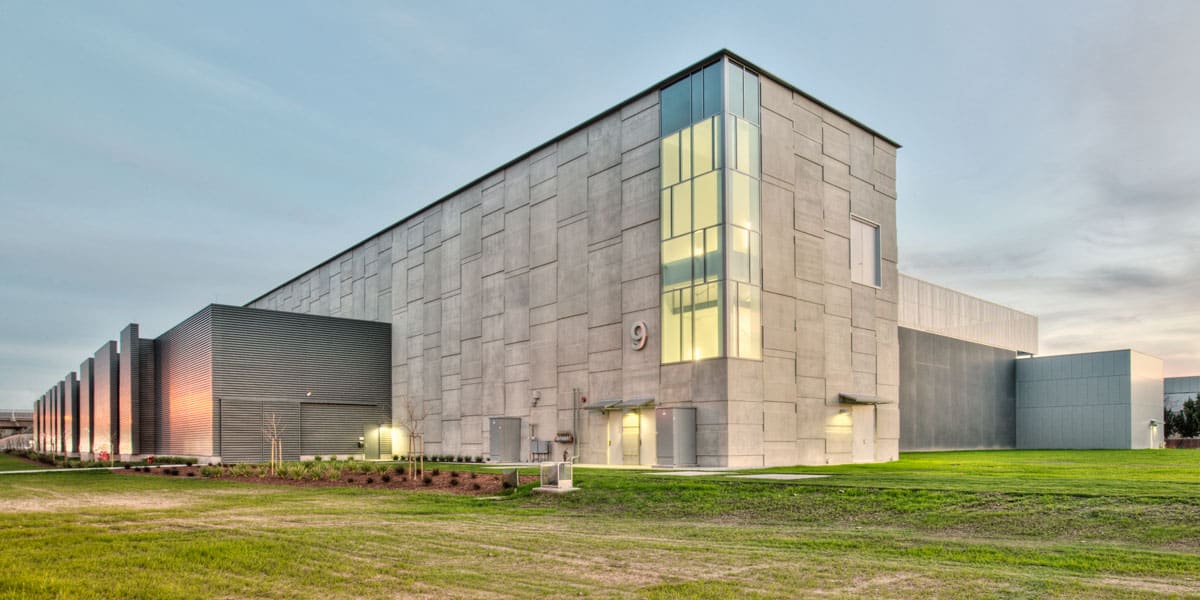
Through our partnership with Clark Pacific, we feel confident taking on more projects which has helped us grow our data center business. They are a consistent and reliable partner that anticipates our needs and delivers high quality solutions that fit the project requirements and schedule.
J.T. Magen
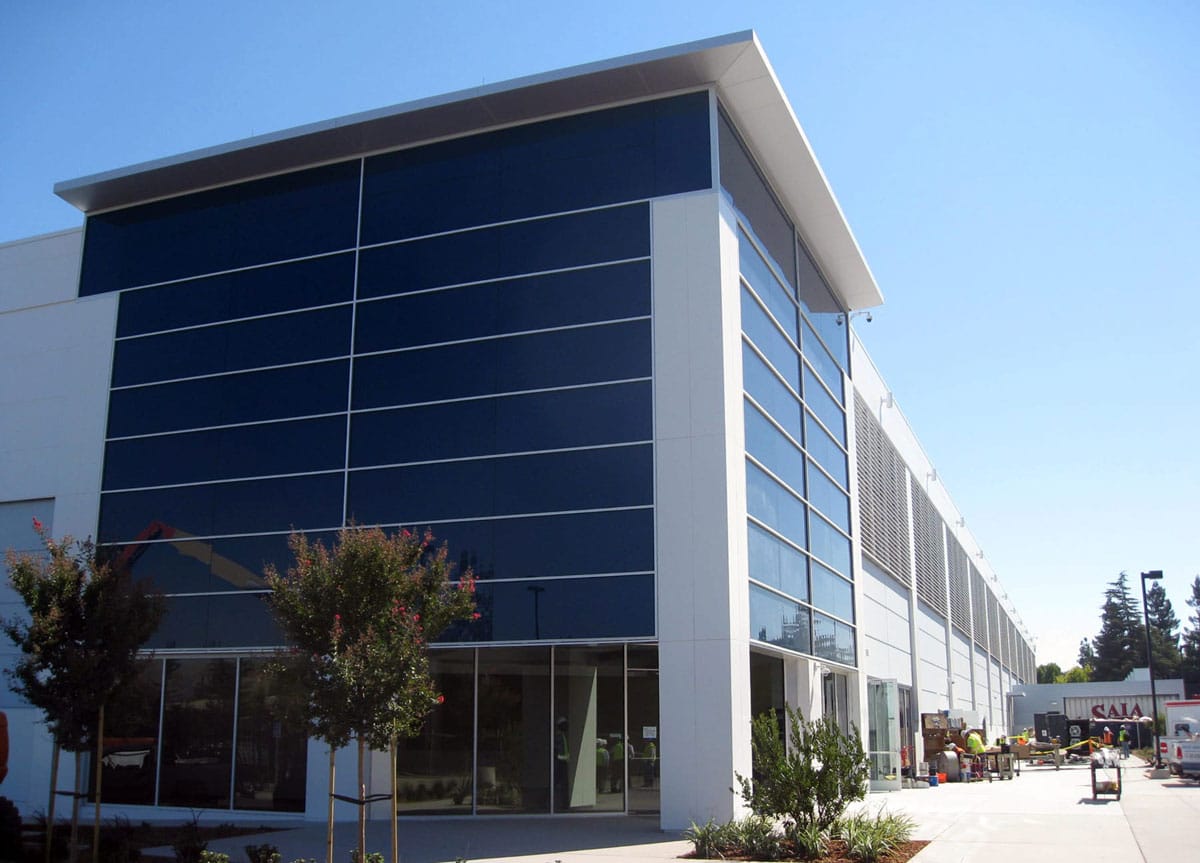
Typical Use
- Data Centers
- Industrial/Warehousing
- Commercial
- Institutional
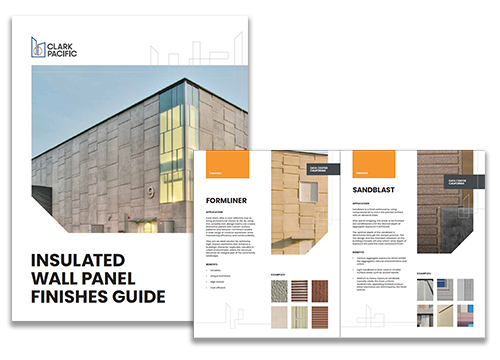
Insulated Wall Panel Finishes Guide
Explore the design possibilities with Clark Pacific. Our guide
showcases a wide range of standard colors, forms, textures, and finish combinations available for our insulated wall panel systems—making it easy to align performance with aesthetics.
Standard Details and Design
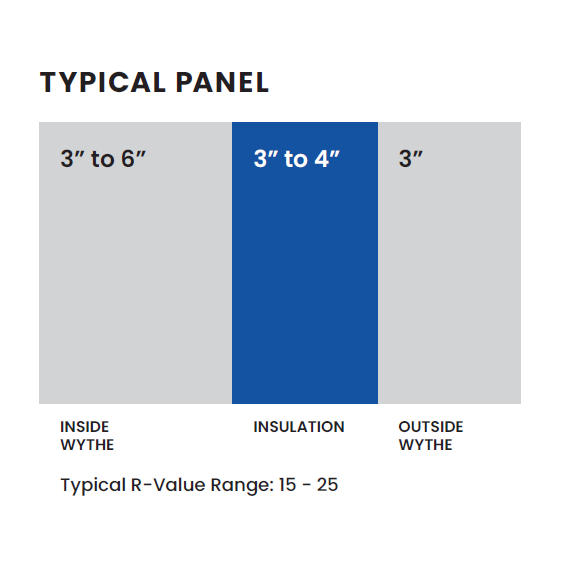
- Wall panels engineered to meet desired performance
- Wall panels can be cladding only OR load bearing
- Multiple Sealant Lines
- Insulation thickness depends on thermal requirements (R-value)
- Typical R-value range: 15-25
- Standard Components
Core Benefits
Superior Durability
Small Crew
Frequently Asked Questions
What is the difference between cladding and load bearing Insulated Wall Panels (IWP)?
Do Clark Pacific Insulated Wall Panels provide the weather barrier, or do they need a separate membrane?
Clark Pacific’s insulated wall panels are designed to serve as the primary exterior weather barrier when the panel section and the joint and termination detailing follow Clark Pacific standards. The system pairs a factory cast concrete face wythe with continuous insulation and a specified joint system including backer rod, high performance sealant, flashings, and defined panel to panel connections. When Clark Pacific provides both the structure and the insulated enclosure together the integrated package reduces separate enclosure trade interfaces and the field coordination typically required with steel framing and separate cladding.