PARC
A Turnkey Parking Structure Solution
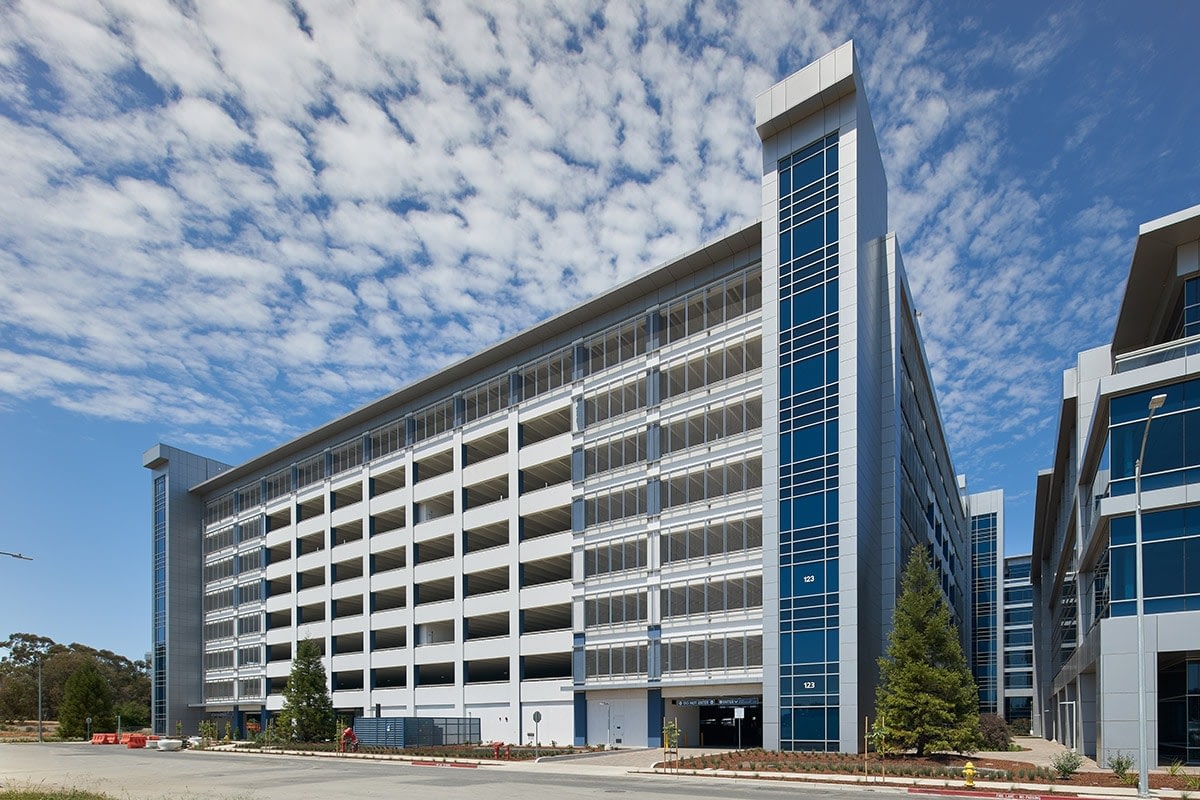
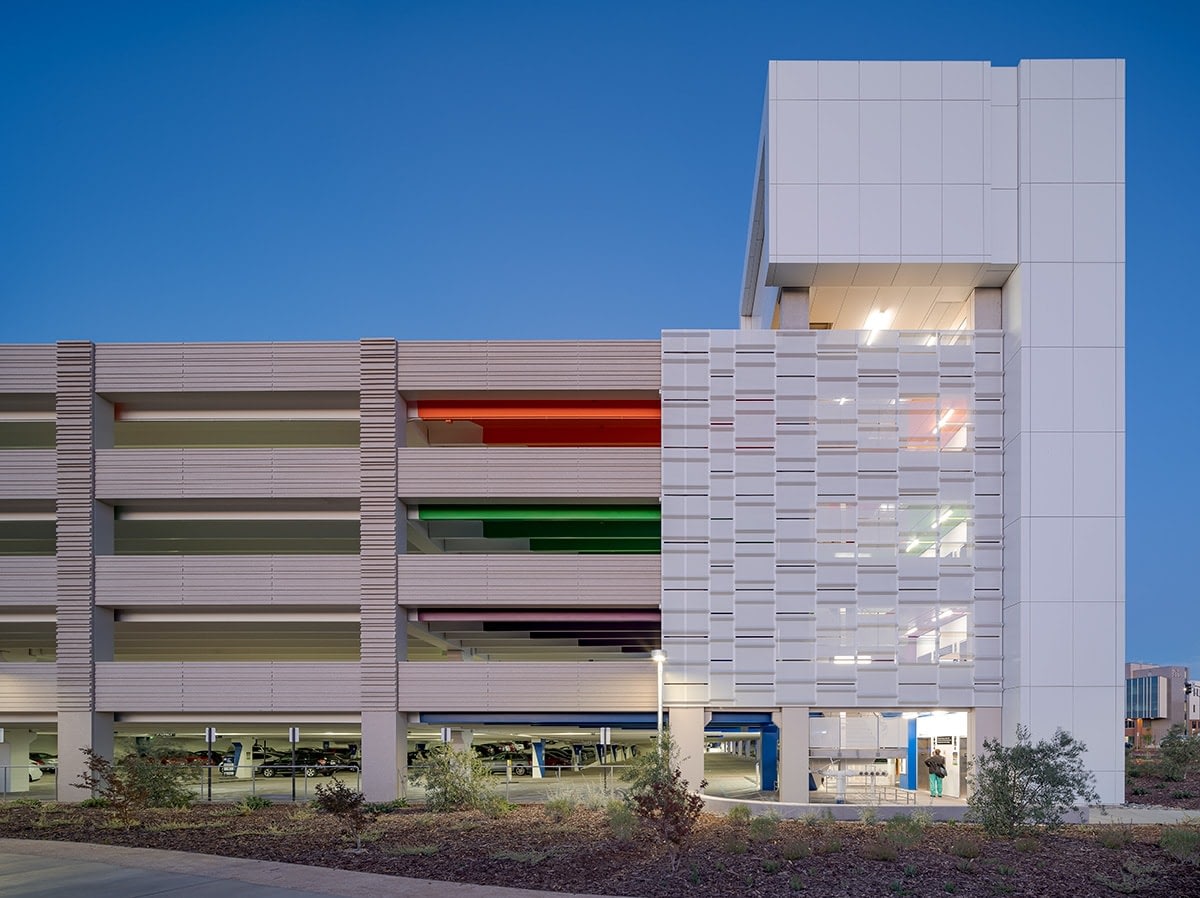
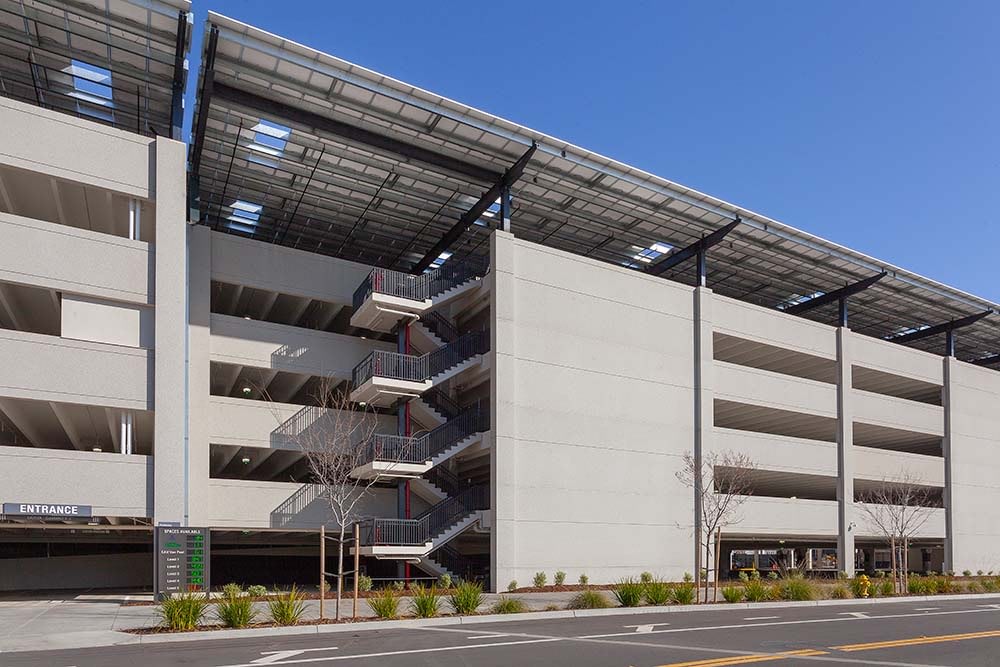
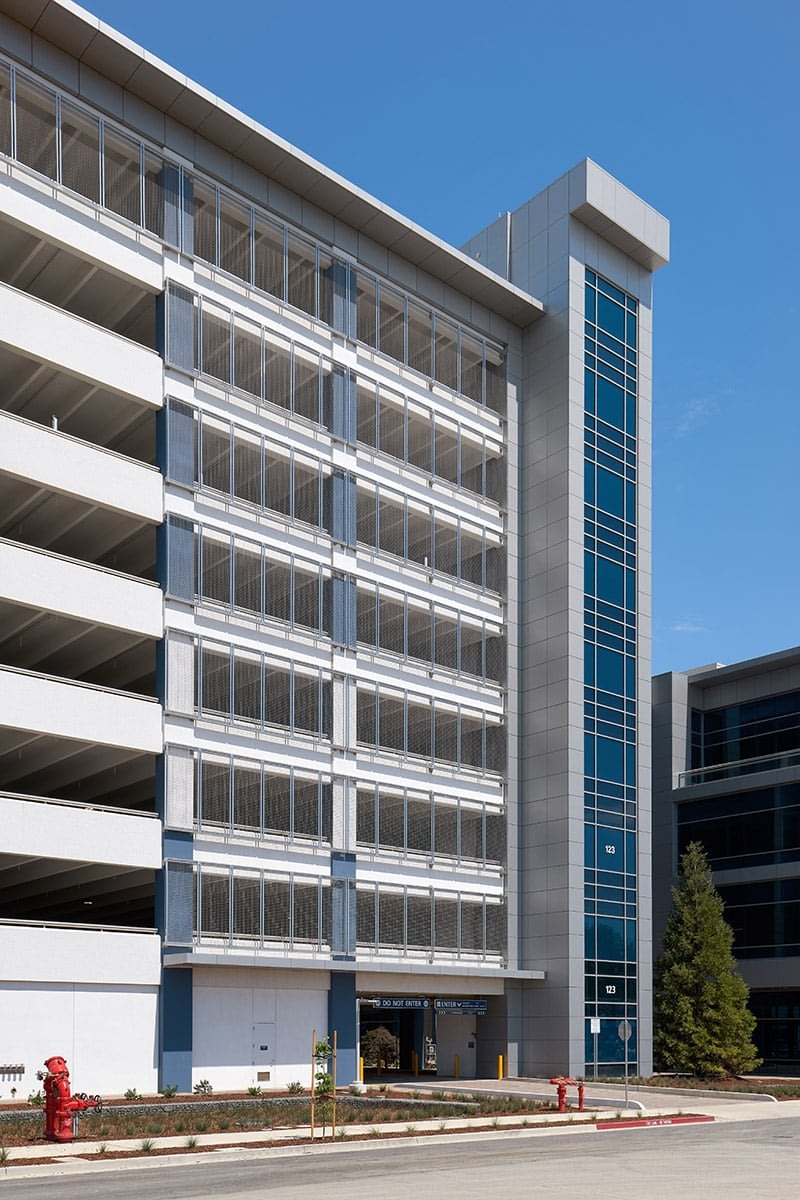
PARC reduces the complexity of designing and building parking structures and offers owners & developers a more efficient and effective solution. Clark Pacific’s advanced product-based delivery model relies on experienced teams guiding the process from entitlement to hand over.
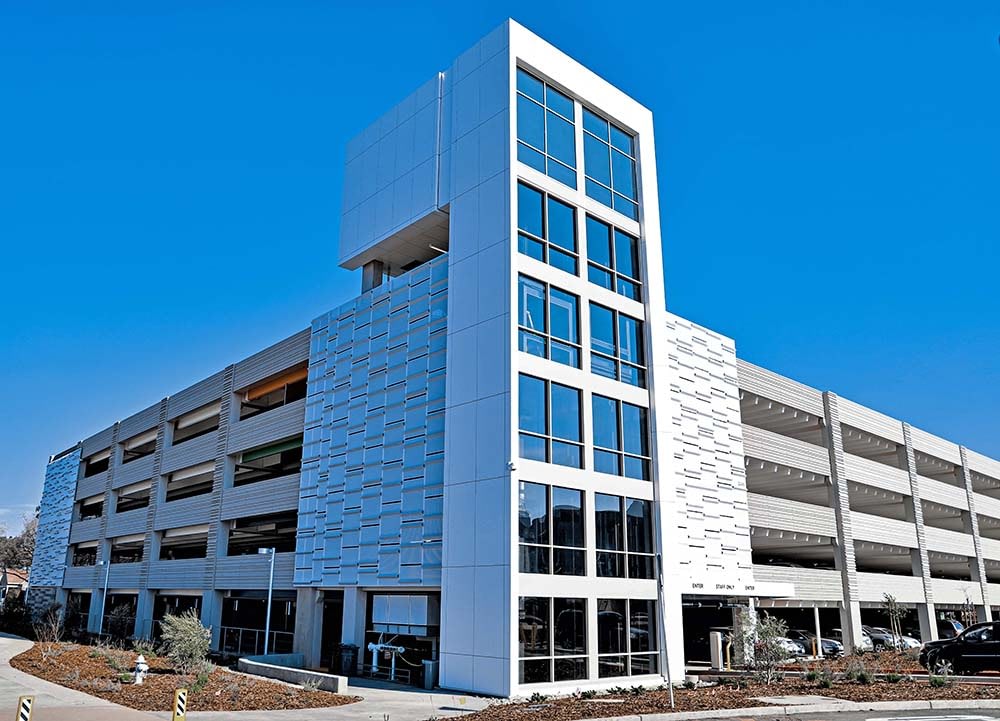
Single source for the entire parking structure
PARC delivers a low-risk, high-quality parking structure with design flexibility at the lowest cost in the shortest amount of time. We make this happen by combining our standardized PARC product with our in-house Design-Build service. Its a winning match – where our clients come out on top!
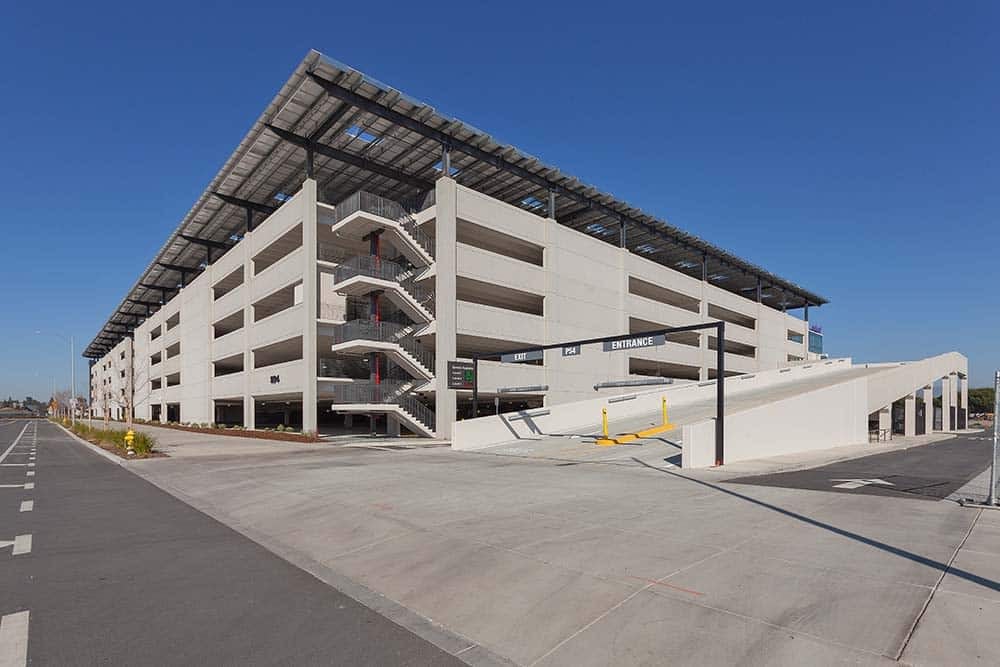
How does Product-Based Delivery benefit you?
- Complete pre-design based on requirements, standard products & best practices
- Ready to manufacture + build + install
- Easily customized to accommodate unique project-specific requirements
- Smoother path to stakeholder consensus with a single point of contact, entitlements through handover
Benefits of PARC
In house parking consultants and designers
Single warranty for the parking structure
Accelerated schedules: 30%-50% faster than traditional methods
Resilient and adaptable design
Designed for increased safety and better navigation
Utilizes CARBONSHIELD reducing embodied carbon in the structure
Parking Design Guide
Download the PARC Design Guide to learn the fundamentals of designing efficient, high-performing prefabricated parking structures. Explore structural systems, seismic resilience, and early design strategies that help improve constructability, accelerate project delivery, and maximize long-term value.

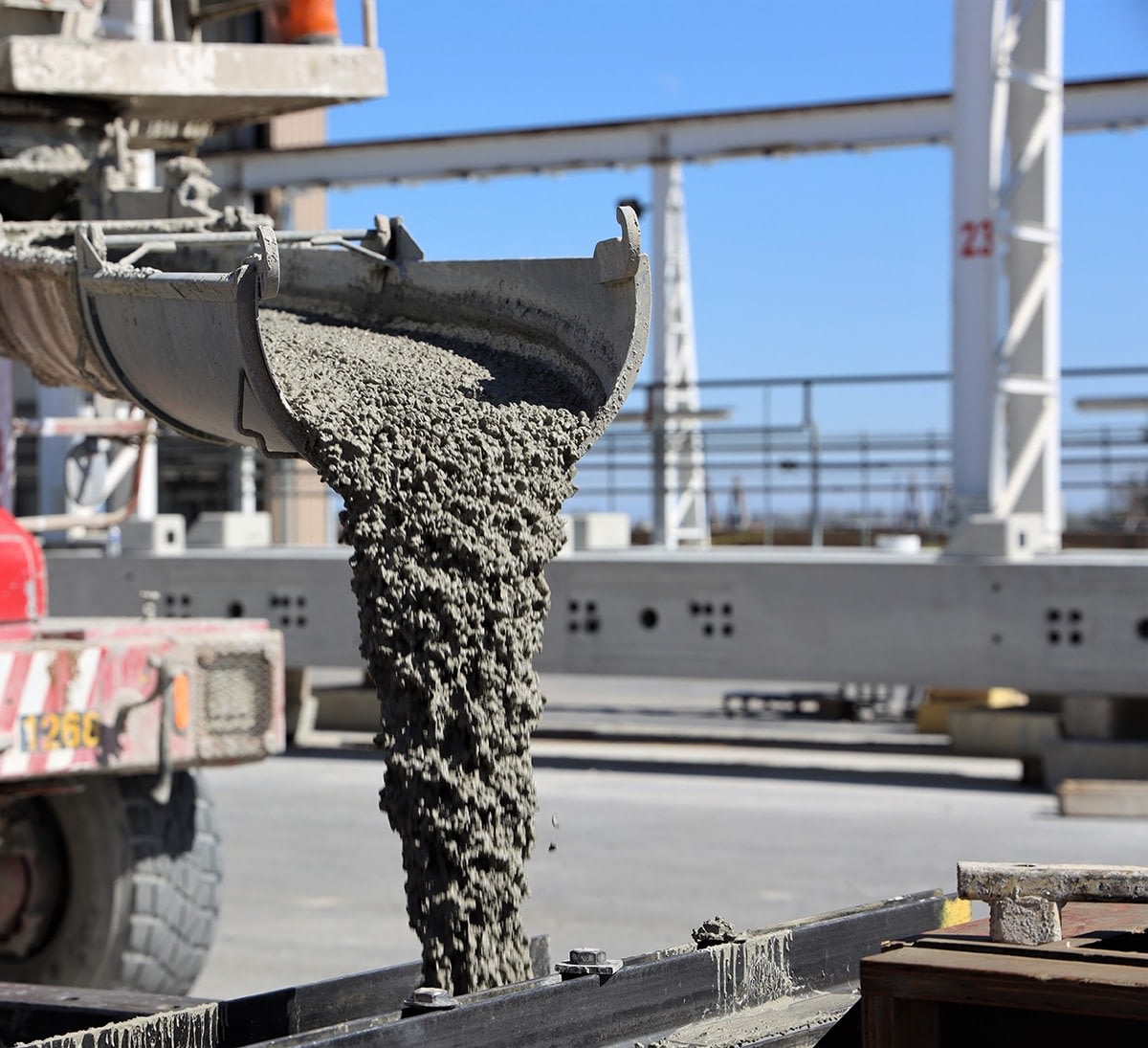
CARBONSHIELD® is a unique and proprietary concrete mix developed by Clark Pacific that provides the same performance as traditional mixes and is standard in our structural products.
It replaces 25% of the portland cement in our concrete mixes, reducing embodied carbon by roughly 20%. Our goal is double this by 2030, through our continuous R&D efforts and material partnerships.

Prefabrication met all of our prerequisites whereas cast-in-place would have taken longer, cost more, required a greater footprint on site and been very disruptive to Major League Soccer games
Deke Hunter
Hunter Properties
let's start talking about your next parking structure.
Frequently Asked Questions
What is the typical floor‑to‑floor height in a Clark Pacific PARC parking structure?
Clark Pacific PARC parking structures are typically designed with floor‑to‑floor heights of approximately 11′-6″ on accessible parking levels and 10′-6″ on typical parking levels. These clearances are optimized for efficient parking garage layouts while allowing space for lighting, signage, and mechanical, electrical, and plumbing (MEP) systems. The dimensions support standard vehicle clearances while maintaining structural efficiency within a precast parking garage system that uses long‑span double tees.
How is lighting handled in a precast parking garage with double tees?
In a Clark Pacific parking structure, the floor‑to‑floor heights allow lighting fixtures to be mounted below the double tee stems. This placement improves light distribution and coverage across the parking deck.
Clark Pacific intentionally designs parking garage lighting above minimum code requirements. Code minimum lighting levels often create dark environments that can reduce visibility and safety. By designing brighter conditions, especially at vehicle entrances, pedestrian pathways, and primary circulation areas, Clark Pacific helps improve safety, wayfinding, and overall user experience in parking facilities.
Is the column layout different in a precast parking structure compared to cast‑in‑place construction?
Yes. Precast parking structures typically allow much longer structural spans than cast‑in‑place concrete garages. The long‑span capability of precast double tees and girders allows column spacing of approximately 36 feet, compared to the more typical 18‑foot spacing commonly used in cast‑in‑place parking garages.
Fewer columns create a more open parking environment, improving visibility, circulation, and parking efficiency. The reduced number of columns can also enhance user comfort and perceived safety by minimizing visual obstructions within the garage.
Are the double tees the lowest point of the parking structure ceiling?
No. In Clark Pacific parking structures, the double tee stems are not the lowest point of the ceiling. This allows lighting, MEP systems, signage, and other attachments to be installed below the precast members without interfering with the structural system. The configuration supports flexibility for building systems while maintaining the efficiency of the precast double tee framing system.