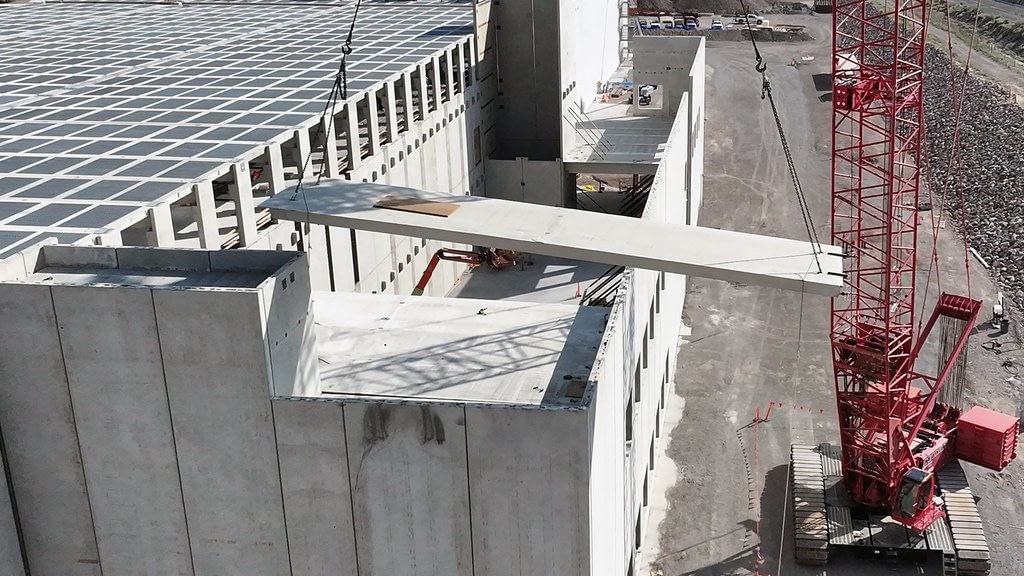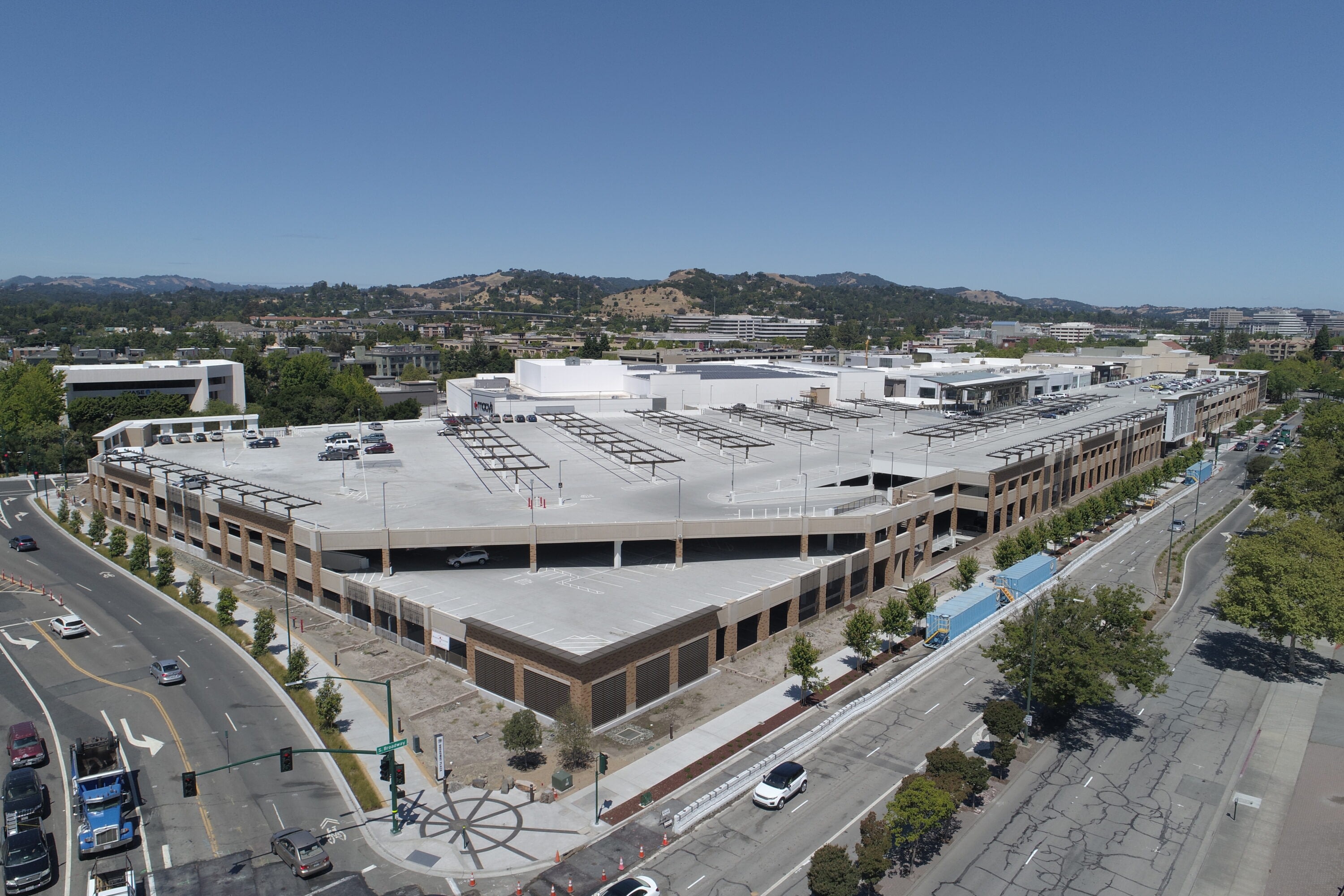
As demand for data center capacity accelerates, operators are under increasing pressure to build faster, smarter, and more resilient facilities. Traditional construction methods often struggle to keep pace with aggressive deployment timelines, growing power densities, and heightened expectations for durability and sustainability. Prefabricated concrete construction has emerged as a compelling solution, offering a proven way to streamline delivery while enhancing structural performance, security, and long-term value for modern data center projects.
Why Prefabrication?
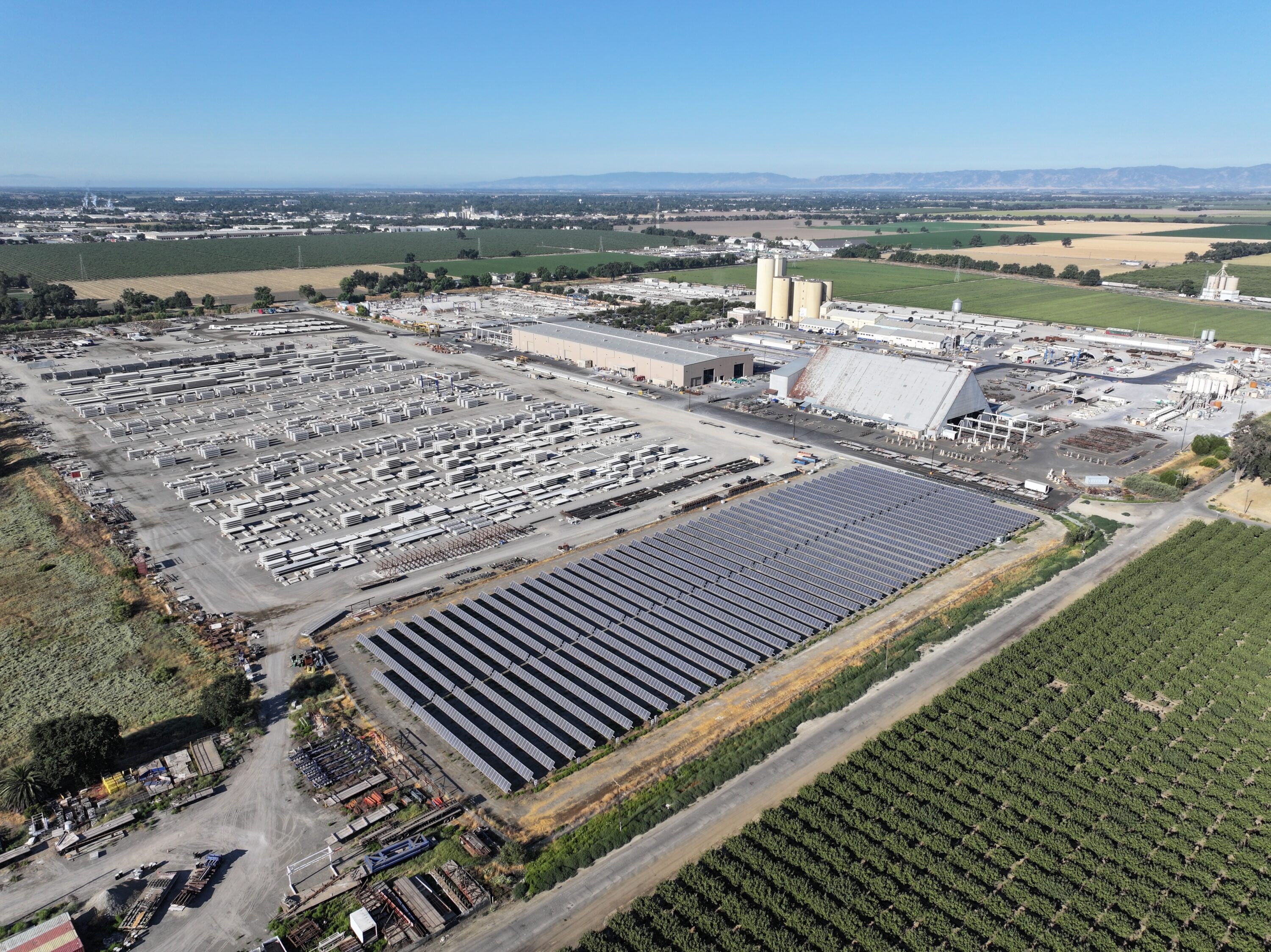
Prefabricated – or precast – concrete is manufactured in a controlled environment and delivered to the job site, reducing overall project risk by improving cost and schedule certainty and enabling greater supply chain control. From flexibility in design to rapid delivery, prefabricated concrete aligns with the unique requirements of data center design and construction. Here are five reasons why:
1. Early Alignment and Efficient Design
Prefabrication manufacturers utilize design-for-manufacturing-logistics-and-assembly (DfMLA) practices. DfMLA brings together stakeholders – including owners, architects, engineers, and contractors – early to collaborate and optimize the design for manufacturing and assembly. DfMLA aligns the team on project vision, saving time and money.
In addition to improving budget predictability, DfMLA can reduce timelines by as much as 40%, making data centers operational sooner than those built with traditional methods. Early operational readiness helps developers meet market demand, boost profitability and capitalize on growth opportunities.
2. Design Flexibility
Contrary to the misconceptions of some, prefabricated concrete offers design flexibility, allowing developers to customize components for operational efficiency and future expansion with minimal disruption.
Prefabricated structural systems can accommodate the large open spans essential for housing servers, cooling systems, and other critical equipment. Functional elements, such as insulation, ventilation and mechanical openings, are incorporated into the design. For example, integrating mechanical platforms into the structural systems can accelerate construction. Embedded metal framing simplifies pipe and equipment installation by making it easier to hang and route systems. Platforms designed with movable grates allow for easy maintenance access and fewer roof penetrations, which enhance weatherproofing and optimize long-term system performance.
Read the full article here – Data Center Knowledge, published June 10, 2025