The scale and speed of investment in semiconductor fabrication plants, data centers and advanced manufacturing facilities are changing what owners need from the construction industry.
These mega-projects demand an extraordinary level of precision while operating under aggressive schedules and increasingly complex labor, supply chain and coordination constraints. Meeting those demands requires more than finding ways to build faster. It requires rethinking how buildings are designed, manufactured and assembled.
The challenge of building at mega-project scale
Mega-projects bring together complex structural, mechanical, electrical and process systems, often on sites where multiple facilities are being developed simultaneously.
That creates several challenges.
Skilled labor availability. High-growth markets are competing for specialized trades at a scale that can strain the available workforce.
Supply chain complexity. Long-lead equipment and globally sourced materials must be coordinated with structural systems, embeds, utility infrastructure, facade penetrations and future equipment layouts.
Execution risk. Designers, contractors, manufacturers, equipment vendors and specialty trades must make thousands of interconnected decisions. A change in one system can quickly affect another.
Traditional construction often manages these conditions through field coordination and adaptation. At mega-project scale, however, resolving problems after work reaches the field can create significant schedule and cost impacts.
A manufacturing-driven approach moves more of that work upstream.
Moving construction into a controlled manufacturing environment
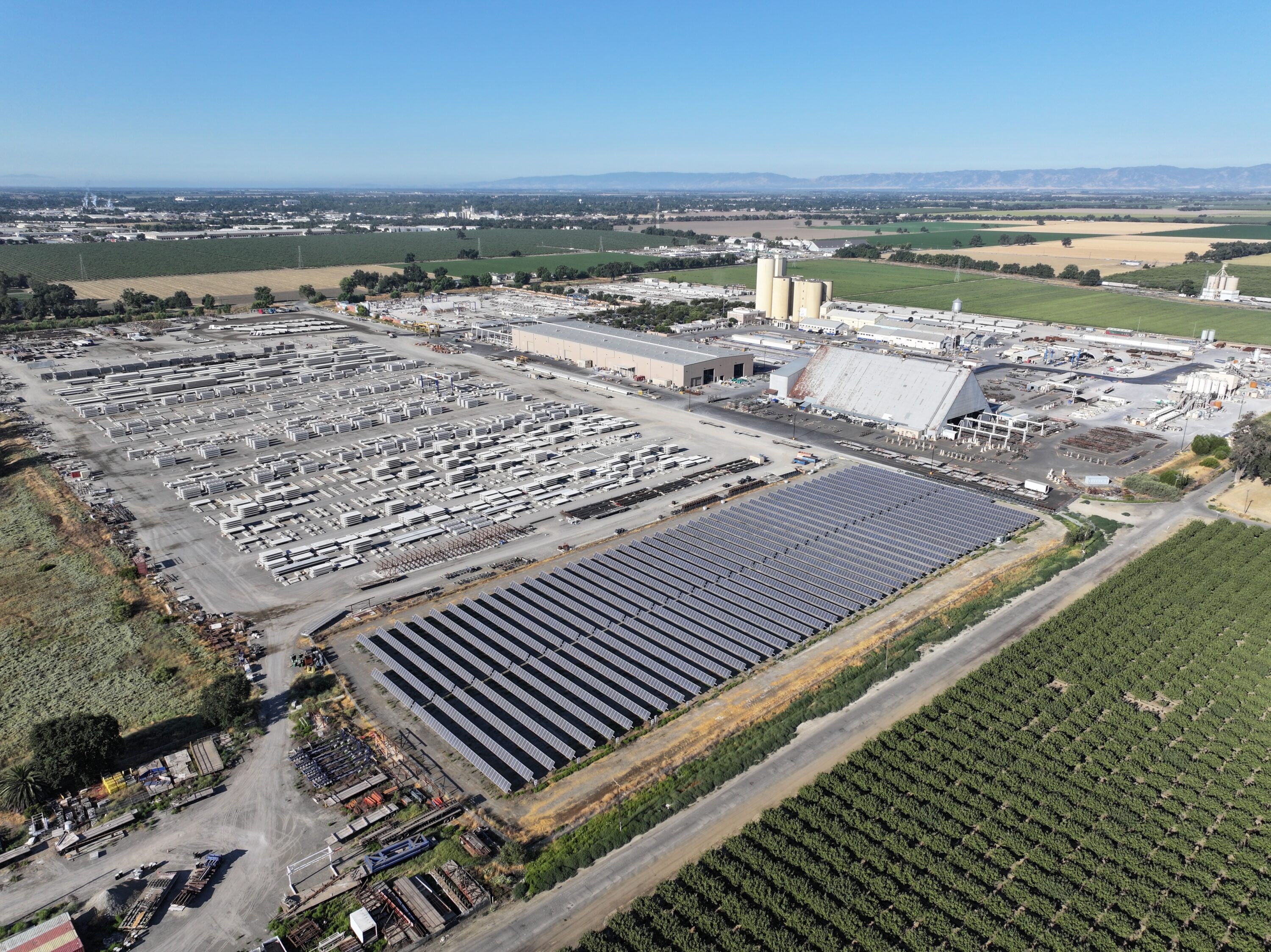
Off-site manufacturing allows major building components and systems to be produced in controlled environments while work progresses simultaneously at the project site.
Instead of completing every activity sequentially in the field, foundations and site infrastructure can advance while structural and enclosure systems are being manufactured.
That parallel workflow can reduce on-site labor requirements, shorten installation durations and create more predictable sequencing.
Manufacturing also provides greater control over dimensional tolerances and repeatability. For facilities such as semiconductor fabs, where structural interfaces must coordinate precisely with process equipment and building systems, that consistency can be particularly valuable.
Moving high-disturbance activities off site can also reduce forming, curing, drilling, patching, dust and congestion at the project location, creating a more controlled environment as sensitive equipment and systems begin installation.
Designing for manufacturing, logistics and assembly
Prefabrication delivers the greatest value when it is considered from the beginning rather than introduced after a building has already been designed.
Clark Pacific approaches this through Design for Manufacturing, Logistics and Assembly (DfMLA), bringing design, manufacturing, transportation and installation considerations into the planning process early.
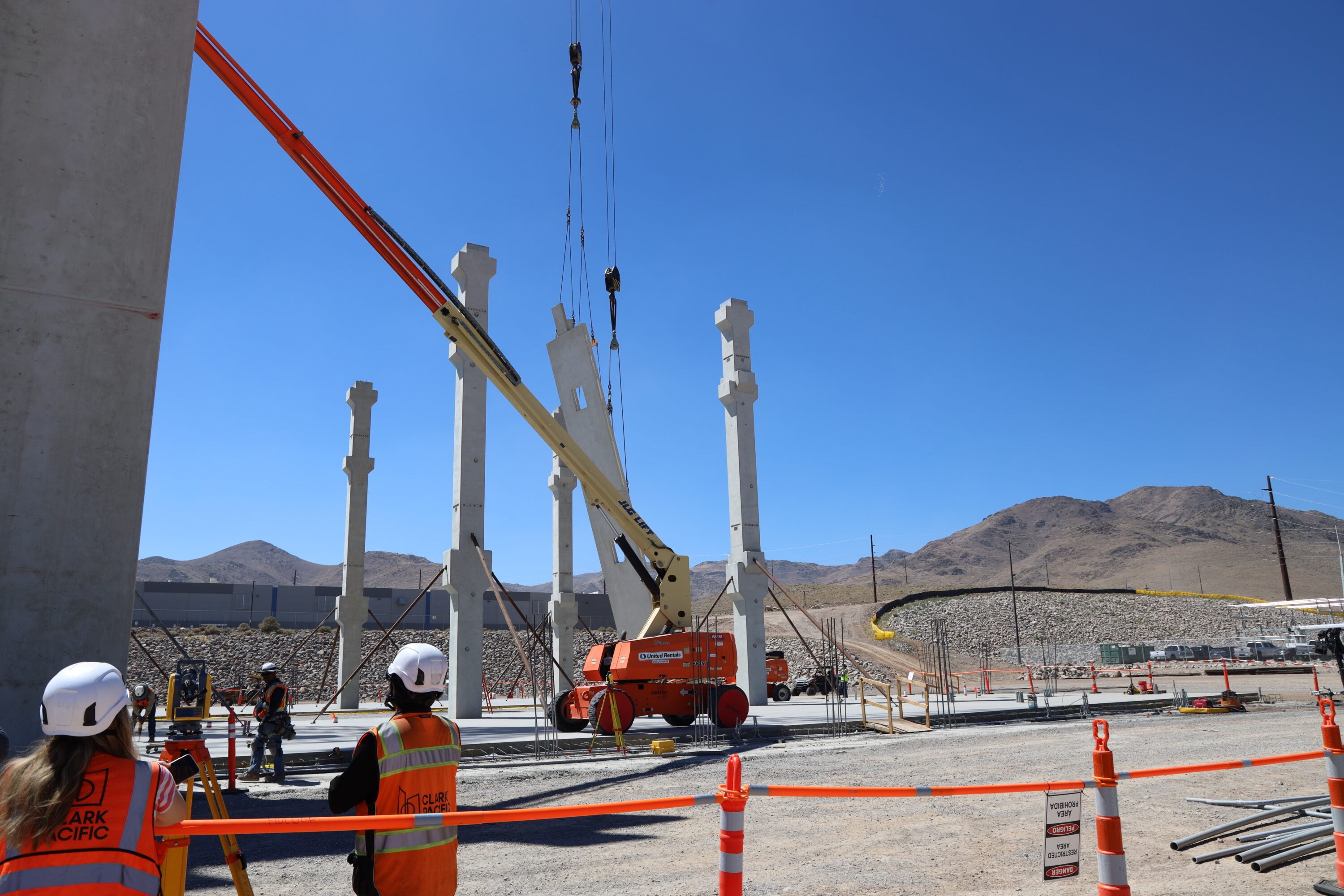
This approach gives project teams the opportunity to resolve interfaces digitally, establish repeatable components and plan how systems will move from manufacturing through installation before work reaches the field.
Key elements include:
- Standardization: Creating repeatable components and interfaces where appropriate across structural grids, facades and service areas.
- Digital coordination: Using BIM and clash detection to coordinate penetrations, embeds, connections and equipment requirements before fabrication.
- Just-in-time delivery: Sequencing manufacturing and transportation around installation needs to reduce site congestion and demands on limited laydown space.
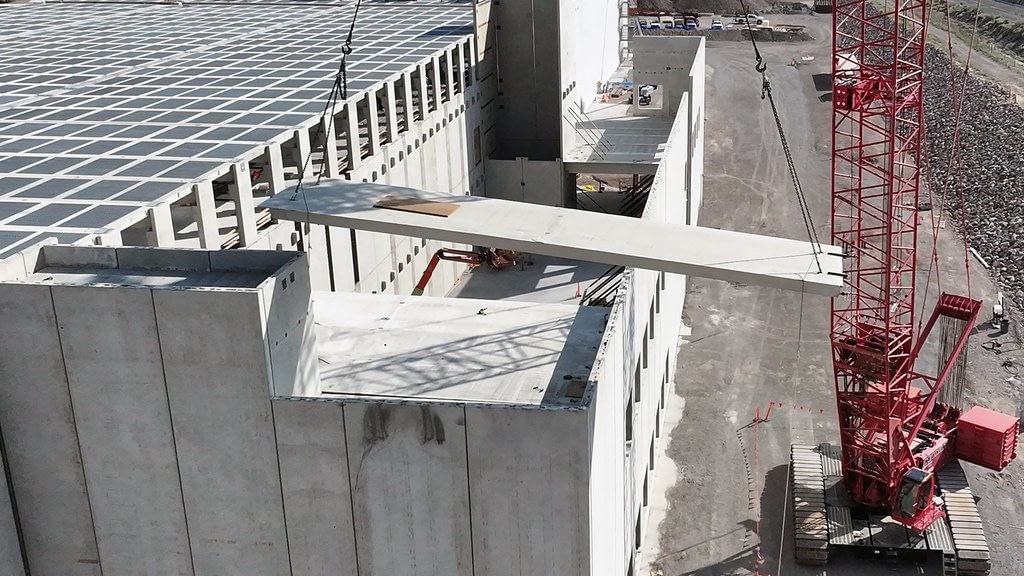
- Planned assembly: Establishing repeatable erection sequences that allow work to progress efficiently and create earlier access for following trades.
The result is a delivery model built around coordination and predictability rather than field adaptation.
Building certainty into complex projects
For owners developing semiconductor fabs, data centers and other mission-critical facilities, speed matters. But speed without predictability creates its own risks.
Manufacturing-driven construction provides another way to approach that challenge.
By integrating design, engineering, manufacturing, logistics and construction earlier, project teams can identify problems before they reach the field, execute more work in controlled environments and create greater certainty around how a building will come together.
As mega-projects continue to increase in scale and complexity, the construction industry has an opportunity to apply the same manufacturing principles that drive the industries these facilities support.
The building itself can become a manufactured system, designed for repeatability, precision and efficient assembly.
That shift can help owners build faster, reduce risk and move from construction to operational readiness with greater confidence.
Originally published in the Phoenix Business Journal.
Read the original article: https://www.bizjournals.com/phoenix/news/2026/09/01/manufacturing-driven-construction-mega-projects.html